Dagnam Park Carpet Cleaning Guide for Harold Hill Homes
If you live near Dagnam Park or anywhere in Harold Hill, you already know carpets have a knack for showing everything: muddy shoes after a wet walk, pet traffic, everyday dust, and the odd tea spill that looked harmless at the time. This Dagnam Park carpet cleaning guide for Harold Hill homes is here to make the whole job feel less vague and a lot more manageable. Whether you are trying to handle a stubborn stain, freshen up a family home, or work out when to call in a professional, you will find practical, local advice below.
The aim is simple. Help you clean smarter, avoid common mistakes, and choose the right method for your carpet type, household, and schedule. No fluff. Just the sort of guidance that saves time, avoids unnecessary wear, and leaves carpets looking and feeling better underfoot.
Why Dagnam Park carpet cleaning guide for Harold Hill homes Matters
Carpet cleaning matters for more than just appearances. In a place like Harold Hill, where homes see a mix of outdoor grit, family life, and seasonal damp, carpets can quietly hold on to soil, allergens, odours, and flattened fibres. You often do not notice it day to day. Then one afternoon the room looks a bit dull, the stairs feel tired, and the carpet seems to have lost its lift. Funny how that creeps up on you.
A good cleaning routine helps protect the carpet itself, not just the look of it. Dirt particles act a bit like sandpaper. Left too long, they can wear fibres down and shorten the life of the carpet. In living rooms, hallways, and on the stairs, that wear happens faster than most people expect.
There is also the comfort side. Clean carpets feel better under bare feet, smell fresher, and make a room look more settled. If you have guests coming over, kids crawling around, or pets that treat the hallway like a racetrack, it really shows. A proper clean can be the difference between a room that just gets by and one that feels looked after.
For Dagnam Park homes specifically, the local context matters. Properties near green space often bring in more soil and moisture, and family homes tend to have more day-to-day traffic. That means the cleaning approach should be practical, not precious. Straightforward, realistic, and suited to the actual way people live.
How Dagnam Park carpet cleaning guide for Harold Hill homes Works
At its core, carpet cleaning is about removing soil, stains, residue, and odour without damaging the pile or backing. That sounds simple, but the method you choose has a big impact. Some carpets tolerate moisture well. Others, especially delicate blends or older fittings, need a gentler touch.
Most effective cleaning follows a few stages: inspect, prepare, treat, clean, and dry. Whether you do it yourself or book a professional, those steps matter. Skipping the prep is where a lot of problems begin. A stain can set, a fibre can distort, or you can end up with a damp patch that takes far too long to dry. Nobody wants that musty smell lingering into the evening.
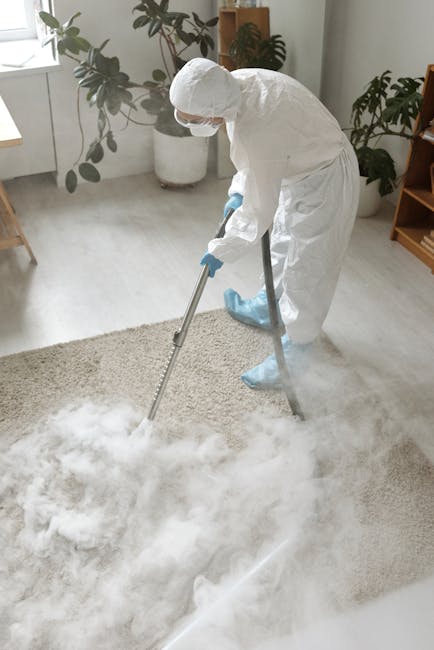
Professional carpet care often includes hot water extraction, sometimes called steam carpet cleaning, though the process is more accurately a deep rinse than true steam. That method flushes loosened dirt from the pile and can be very effective for heavily used rooms. You can learn more about that approach through steam carpet cleaning if you are comparing options.
For lighter maintenance or spot treatment, dry vacuuming, pre-treatment, and careful stain removal are often enough between deeper cleans. In practice, the best results usually come from combining regular home care with occasional professional cleaning. Bit of a two-part job, really.
Key Benefits and Practical Advantages
There are several good reasons to keep on top of carpet care, and most of them are more practical than glamorous.
- Cleaner indoor feel: A deep clean removes visible dirt and a lot of the dullness that builds up in busy rooms.
- Better odour control: Spills, pets, and everyday living can leave carpets holding smells. Cleaning helps reset that.
- Longer carpet life: Removing abrasive dirt helps fibres last longer and stay looking healthier.
- Improved appearance: Pile often stands up better after proper cleaning, which can brighten the whole room.
- More comfortable rooms: Clean carpets are usually softer and nicer underfoot, especially in bedrooms and lounges.
- Better support for homes with pets or children: Regular cleaning makes everyday mess easier to manage.
One benefit people underestimate is how much easier future cleaning becomes. Once residue and embedded soil are removed, maintenance vacuuming tends to work better. Stains also have less to cling to. That alone can save a lot of frustration later on.
If your carpet is part of a larger soft-furnishing clean-up, it may be worth looking at related services too, such as rug cleaning, sofa cleaning, or upholstery cleaning. It can make the whole home feel fresher rather than just one room.
Who This Is For and When It Makes Sense
This guide is useful for a wide range of Harold Hill households, not just homes with obvious stains. In fact, some of the best time to clean is before the carpet starts looking bad. Waiting until it looks terrible can mean more work and a higher chance of permanent marking. Fairly annoying, but common.
You may need a carpet cleaning plan if you are:
- moving into or out of a property and want it to feel properly reset
- managing pets, especially if there are odours or frequent accidents
- dealing with kids, muddy shoes, or high-traffic areas like hallways and stairs
- preparing for visitors, photos, or a special occasion
- trying to extend the life of a carpet you otherwise still like
- handling a stain that has not responded to basic blotting
Sometimes the right answer is a small job, not a deep clean. If one patch is stained, stain removal may be the most sensible next step. If the carpet smells off after a pet mishap, targeted pet stain and odour work may be better. And if the whole room feels tired, a full clean makes more sense than chasing one mark at a time.
Commercial spaces are different again. A home near Dagnam Park and a busy workplace are not treated the same way, which is why dedicated commercial carpet cleaning exists for more demanding settings.
Step-by-Step Guidance
Here is a practical way to approach carpet cleaning without overcomplicating it. This works well for most Harold Hill homes, though you should always adapt it to the carpet label, the age of the fibre, and any existing damage.
- Inspect the carpet first. Look for stains, wear, loose seams, colour loss, and signs of previous repairs. A quick check saves a lot of guessing later.
- Vacuum thoroughly. Go slowly, especially in walkways and along skirting boards. One quick pass is rarely enough.
- Identify the stain type. Food, mud, pet mess, grease, and drink spills all behave differently. Using the wrong treatment can set the mark instead of lifting it.
- Spot test any product. Always test in a hidden corner first. That boring little step can prevent a much bigger headache.
- Pre-treat problem areas. Use the smallest effective amount of product. More is not always better. In fact, too much can leave sticky residue.
- Choose the right cleaning method. Light soiling may need bonneting or careful hand treatment, while heavier buildup may need deep extraction.
- Work section by section. Keep a steady rhythm and do not rush. You will notice the difference in drying and consistency.
- Rinse or extract properly. Residue is what makes carpets re-soil faster. A proper rinse matters as much as the clean itself.
- Dry the room well. Open windows if conditions allow, use airflow, and avoid heavy foot traffic until the carpet is properly dry.
- Finish with a final check. Look for missed patches, wick-back stains, or any areas that need a second pass.
A useful trick: if a stain looks gone while the carpet is still damp, do not declare victory too early. Some marks reappear as moisture rises, especially if the spill soaked deeper than the surface pile. It happens all the time.
Expert Tips for Better Results
Little details make a big difference. Most cleaning failures are not dramatic disasters; they are small errors repeated across the whole room. Here are the tips that tend to matter most in real homes.
- Vacuum slowly and from multiple directions. This lifts more trapped dirt from the pile than a quick once-over.
- Blot, do not scrub. Scrubbing frays fibres and can spread the stain. Blotting is slower, but kinder.
- Use minimal moisture on delicate carpet. Over-wetting can cause shrinkage, distortion, or a lingering damp smell.
- Pay extra attention to stairs and hallways. These areas usually need cleaning sooner than bedrooms.
- Think about furniture marks. Moving a sofa or bed reveals hidden lines of dirt. Clean those areas properly, not just the visible centre.
- Control drying time. A well-ventilated room usually dries better. That's not fancy advice, just the truth.
In our experience, the best-looking carpet jobs are rarely the ones done fastest. They are the ones where the cleaner spent a few extra minutes on prep, agitation, and drying. A rushed clean can look okay at first and then disappoint later. Bit of a false economy.
If you need help deciding whether a service visit is worthwhile, the details on carpet cleaning can help you compare what a full clean involves versus occasional maintenance at home.
Common Mistakes to Avoid
Most carpet problems come from well-meaning mistakes. That is the slightly frustrating part. People are usually trying to help the carpet, not harm it.
- Using too much cleaner: Residue attracts dirt and can leave the carpet tacky.
- Soaking the backing: Excess water can lead to slow drying and unpleasant odours.
- Skipping vacuuming before cleaning: Loose grit turns into mud once moisture is added.
- Using heat too aggressively: High heat can damage fibres or set some stains.
- Ignoring the carpet type: Wool, synthetic, and blended carpets all behave differently.
- Rubbing fresh spills: This often pushes the stain deeper into the pile.
- Forgetting to test products: Some cleaners can affect colour or texture, especially on older carpets.
Another common mistake is treating every stain as if it were the same thing. Coffee is not grease. Pet urine is not mud. Red wine is not the same as a tracked-in patch of garden soil. The more accurately you identify the problem, the better your result will be.
Tools, Resources and Recommendations
You do not need a warehouse full of equipment to keep carpets in decent shape. A focused kit is usually enough for most households. If you want to handle routine care well, these are the basics worth having.
- Good vacuum cleaner: Strong suction and a clean filter make regular maintenance much easier.
- Microfibre cloths: Handy for blotting spills without roughing up the fibres.
- Soft brush or carpet rake: Useful for lifting pile after cleaning and improving the finished look.
- Neutral carpet-safe solution: Best kept mild unless the stain type truly needs something stronger.
- White towels or absorbent cloths: Easy to see what you are lifting from the carpet.
- Fans or open-window airflow: Simple, effective drying support.
If the carpet has a specific problem rather than general dirt, you may need a more targeted approach. For example, persistent smells from pets often need pet stain and odour removal, while stubborn marks may respond better to a focused stain removal treatment.
And if you are planning a bigger refresh across the home, it may be useful to pair the carpet job with mattress cleaning or curtain cleaning. The room can look clean, but still feel a little stale if the soft furnishings are left behind.
Law, Compliance, Standards, or Best Practice
For home carpet cleaning in Harold Hill, there is usually no special legal procedure the average homeowner needs to worry about. That said, best practice still matters, especially if a professional is doing the work inside your property.
In practical terms, good standards usually mean:
- using safe working methods around water and electrical equipment
- choosing appropriate products for the carpet fibre and stain type
- protecting furniture, skirting boards, and nearby surfaces
- being honest about limitations, such as pre-existing wear or permanent staining
- following clear terms on bookings, payments, and expectations
If you are hiring a cleaner, it is sensible to check business information such as insurance and safety, along with any relevant health and safety policy. That is not being fussy; it is just smart housekeeping. It tells you the work is being handled with proper care.
It can also help to review terms and conditions and payment and security information before agreeing anything. If you want to understand how the company handles data and website use, the privacy policy and cookie policy are there for that purpose.
For households focused on lower-impact choices, recycling and sustainability information can also be useful, particularly if you want cleaning that avoids unnecessary waste.
Options, Methods, or Comparison Table
Choosing the right carpet cleaning method depends on the carpet, the level of soil, and how quickly the room needs to be back in use. Here is a simple comparison.
| Method | Best for | Advantages | Watch-outs |
|---|---|---|---|
| Regular vacuuming | Routine upkeep and light dust | Low cost, quick, essential for prevention | Won't remove deep stains or odours |
| Spot cleaning | Fresh spills and small marks | Fast response, targeted, inexpensive | Can spread the stain if done badly |
| Steam or hot water extraction | Heavy soiling, family rooms, stairs, pet traffic | Deep clean, strong soil removal, fresh finish | Needs proper drying and correct technique |
| Specialist stain treatment | Ink, wine, food, grease, pet accidents | More precise than general cleaning | Some stains may still be permanent |
| Professional full-service clean | Busy homes, move-outs, tired carpets | Best overall balance of finish and convenience | Depends on technician skill and carpet condition |
If you are unsure, start with the least aggressive option that is likely to work. That usually saves more carpet than brute force ever will. Not always the most exciting answer, I know, but it is the right one most of the time.
Case Study or Real-World Example
Here is a simple real-world style example from a typical Harold Hill home. A family near Dagnam Park had a living room carpet that looked broadly fine at first glance, but the colour had gone flat, especially in the walking path between the sofa and the doorway. There was also a faint dog smell on damp days. Not dramatic. Just enough to bug everyone.
They started with a thorough vacuum, then dealt with one older drink mark and a pet area separately. The key was not using the same treatment for everything. The traffic lane needed a deeper clean, while the stain and odour issue needed a more focused approach. The result was not brand-new carpet magic, because let's be honest, that is not always possible. But the room looked brighter, felt cleaner, and the odour was much less noticeable.
The lesson? A targeted plan beats random product use. In many homes, that is the difference between a decent result and one that feels genuinely satisfying. You notice it when you walk in, even if you cannot quite put your finger on why.
Practical Checklist
Use this checklist before, during, or after your carpet clean. It keeps the process tidy and stops you missing the obvious.
- Vacuum all areas carefully, including edges and under furniture where possible
- Identify stain types before applying any treatment
- Spot test any product in a hidden area
- Keep moisture levels controlled, especially on older carpets
- Blot spills rather than scrubbing them
- Use clean cloths and avoid transferring dirt back into the pile
- Allow enough drying time before moving furniture back
- Check for wick-back or marks reappearing as the carpet dries
- Consider related soft furnishings if the room still feels stale
- Book professional help if the stain, odour, or wear pattern feels beyond DIY
Expert summary: The best carpet cleaning in Harold Hill is usually the simplest one done properly: remove dry soil first, treat stains carefully, avoid over-wetting, and dry the room well. That is the foundation. Everything else builds on it.
Get a free quote today and see how much you can save.
Conclusion
A clean carpet does more than improve how a room looks. It changes how the room feels. That softer, fresher, more looked-after feeling is often what people want most, even if they start out searching because of one awkward stain or a tired hallway.
This Dagnam Park carpet cleaning guide for Harold Hill homes gives you a practical way forward: know your carpet, choose the right method, avoid the common mistakes, and treat drying as part of the clean, not an afterthought. If you keep it that simple, you are already ahead of the game.
And if you decide the job needs a professional touch, that is perfectly normal too. Sometimes the sensible answer is just getting it done properly and moving on with your week. Which, to be fair, is a relief.
Frequently Asked Questions
How often should carpets be cleaned in a Harold Hill home?
It depends on traffic, pets, children, and the type of carpet. Busy family homes often benefit from regular vacuuming plus periodic deep cleaning, while quieter rooms may need less frequent attention.
Is steam carpet cleaning safe for all carpets?
No, not automatically. Steam carpet cleaning is useful for many synthetic and heavily used carpets, but delicate fibres or older carpets may need a gentler method. Always check the material first.
What is the best way to remove a fresh carpet stain?
Blot it gently with a clean cloth, work from the outside in, and avoid rubbing. Then use the smallest appropriate amount of carpet-safe treatment after testing it in a hidden area.
Why does my carpet smell worse after cleaning?
That usually points to excess moisture, residue, or a stain that was deeper than it looked at first. Proper drying and the right treatment method usually help avoid that issue.
Can carpet cleaning help with pet odours?
Yes, but pet odours often need more than a general clean. A targeted approach such as pet stain and odour removal is usually more effective when the smell has soaked into the fibres or backing.
Should I move furniture before carpet cleaning?
Light items are often moved, but heavier furniture may need a different approach. If you are cleaning yourself, move only what you can do safely. With professional work, ask in advance what is included.
How long does a carpet usually take to dry?
Drying time varies by method, airflow, humidity, carpet thickness, and how much solution was used. Good ventilation helps a lot. A room can feel dry on the surface before it is fully dry underneath.
Is professional carpet cleaning worth it for a small flat?
Often yes, especially if the carpet sees daily use or has a stubborn stain. Even a smaller property can benefit from a deeper clean when the carpet starts to look tired or smell stale.
What should I ask before booking carpet cleaning?
Ask about the cleaning method, drying expectations, stain handling, insurance, and what happens if a mark does not fully lift. It is also sensible to check pricing information and the booking terms first.
Can cleaning remove all stains?
Not always. Some stains are permanent, especially if they have been there a long time or have damaged the fibre. The goal is to improve appearance as much as possible without making the problem worse.
Do carpets in Dagnam Park homes need special treatment?
Not special treatment as such, but local conditions matter. Homes near green space may bring in more mud and moisture, so regular maintenance and sensible drying are especially useful.
Where can I learn more about other soft furnishing cleaning services?
You can compare related options such as rug cleaning, sofa cleaning, mattress cleaning, and upholstery cleaning to decide whether a fuller home refresh makes sense for you.