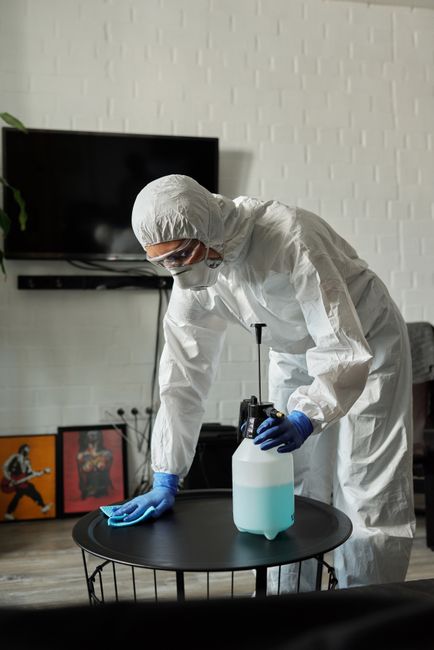
Same day cleaning Harold Hill emergency stain response
Spilt red wine on a pale carpet? Mud dragged through the hall five minutes before guests arrive? Or maybe a pet accident on the sofa that is already starting to smell. These moments have a way of landing at the worst possible time. That is exactly where Same day cleaning Harold Hill emergency stain response comes in: fast, practical help aimed at stopping a small mess turning into a permanent mark.
In a place like Harold Hill, where homes and businesses need to keep moving, a rapid response is more than a convenience. It can protect your flooring, reduce odour, and save you a lot of stress. This guide explains how emergency stain cleaning works, when it makes sense, what to do first, and how to avoid the common mistakes that make stains harder to remove. If you want the bigger picture on fabric and floor care too, the site's stain removal service and carpet cleaning pages are useful places to compare options.
Let's face it: once a stain has settled, hope is not really a strategy. Quick action is.
Table of Contents
- Why Same day cleaning Harold Hill emergency stain response Matters
- How Same day cleaning Harold Hill emergency stain response Works
- Key Benefits and Practical Advantages
- Who This Is For and When It Makes Sense
- Step-by-Step Guidance
- Expert Tips for Better Results
- Common Mistakes to Avoid
- Tools, Resources and Recommendations
- Law, Compliance, Standards, or Best Practice
- Options, Methods, or Comparison Table
- Case Study or Real-World Example
- Practical Checklist
- Conclusion
- Frequently Asked Questions
Why Same day cleaning Harold Hill emergency stain response Matters
Fresh stains are usually easier to remove than set-in ones, but that simple truth hides a lot of detail. Different materials react differently. A wool rug behaves differently from a synthetic carpet. Upholstery absorbs liquid in layers. A tiled floor may look forgiving but still hold onto grout marks and lingering odours. Same-day action matters because the first hour often decides how much damage you end up dealing with.
With emergency cleaning, the aim is not just to make the surface look better. It is to limit spread, reduce chemical setting, and protect fibres from abrasion or over-wetting. In practice, that means the cleaner can assess whether a stain needs blotting, controlled extraction, steam treatment, specialised spotting agents, or a very careful hand-cleaning approach. It is not glamorous work. It is, however, the sort of work that can spare you a costly replacement later.
For homes in Harold Hill, the pressure is often practical: school runs, work schedules, family life, pets, deliveries, the usual. For businesses, there is also presentation. A stained reception carpet or a marked waiting-room sofa sends the wrong message instantly. If you manage commercial premises, the broader commercial carpet cleaning and upholstery cleaning pages help frame why quick intervention matters in customer-facing spaces.
Expert summary: The real value of same-day emergency stain response is speed plus judgement. Fast action stops staining from bonding, but the right method stops the cleaning itself from causing extra damage.
How Same day cleaning Harold Hill emergency stain response Works
The process is usually straightforward, but the good ones are careful rather than rushed. A proper emergency response starts with a brief assessment: what was spilled, on what surface, how long ago, and whether any DIY treatment has already been attempted. That last part matters more than people think. Sometimes the stain is not the original problem; it is the half-used spray that caused discolouration around it.
Once the cleaner understands the situation, they will choose the least risky method that still gives a strong chance of success. For carpets, that may mean spot treatment followed by controlled extraction. For sofas, it may involve testing a hidden area first so the fabric does not react badly. On some jobs, a stronger method like steam carpet cleaning is suitable, while on others a gentler stain-only approach makes more sense.
In a same-day callout, timing also affects the workflow. A stain with moisture still present can often be treated more effectively than one that has dried hard by the afternoon. On the flip side, some stains, especially dye-based ones, can spread if they are agitated too much. So the cleaner is balancing urgency with restraint. A bit like trying to carry a full mug across a room with a loose floorboard - careful beats fast.
Typical response stages look like this:
- Initial triage: identify the stain type, fabric or floor material, and urgency.
- Risk check: confirm whether colour loss, shrinkage, or odour issues are likely.
- Targeted treatment: apply the most suitable stain-lifting method.
- Extraction or wiping: remove residue without spreading the problem.
- Drying guidance: reduce re-soiling and avoid over-wetting.
For pet accidents, it can help to combine this service with pet stain odour removal, because smell can linger long after the visible mark has gone.
Key Benefits and Practical Advantages
People usually call for emergency stain response because they need the stain removed. Fair enough. But the real benefits stretch a bit further than that.
- Reduced permanent marking: the sooner a stain is treated, the less likely it is to settle deep into fibres or backing.
- Less odour build-up: spills involving food, drink, urine, or milk-based products can start smelling quickly.
- Better chance of colour retention: incorrect scrubbing can flatten pile or lift dye, especially on delicate fabrics.
- Lower risk of secondary damage: professional treatment helps avoid spread, water rings, and detergent residue.
- More confidence before guests or customers arrive: a practical benefit, but a very real one.
There is also a less obvious advantage: peace of mind. When you know the stain has been assessed properly, you stop second-guessing every move. You do not keep dabbing at it with a tea towel every ten minutes. You can get on with the day.
For soft furnishings and mixed surfaces, same-day cleaning often pairs well with services like sofa cleaning, rug cleaning, and curtain cleaning when the spill has travelled beyond one area. That happens more often than people expect, especially with drinks.
Who This Is For and When It Makes Sense
This kind of fast response is for anyone dealing with a time-sensitive spill, but some situations are particularly well suited to it.
- Families with busy homes: food spills, muddy footprints, marker pen accidents, pet mess, the lot.
- Renters preparing for inspections: visible marks can become a deposit headache if left alone.
- Homeowners before visitors arrive: yes, the stain always seems to show up just before dinner.
- Offices and retail spaces: reception areas, communal carpets, and waiting areas need quick presentation fixes.
- Landlords and letting agents: fast stain response can help keep turnover smooth between occupancies.
It makes sense whenever the spill is fresh, the material is at risk, or the room needs to be usable again quickly. It may also be the right choice if the stain is one of those awkward types that DIY methods tend to worsen: wine, coffee, ink, makeup, grease, blood, or pet accidents. If the item is delicate or expensive, emergency response is often the safer route rather than experimentation.
One quick note: not every stain needs a full deep clean on day one. Sometimes targeted stain treatment is enough. Sometimes it is not. A good cleaner should say that plainly.
Step-by-Step Guidance
If you are dealing with an urgent stain right now, the best approach is simple and calm. No heroics.
1. Stop the spread
Blot, do not rub. Use a clean white cloth or absorbent paper to lift excess liquid. Press gently from the outside of the stain toward the middle. Rubbing just pushes the spill deeper and can distort the fibres. It also makes the stain look larger, which is a bit rude of it.
2. Remove loose solids first
If the mess includes food or thick residue, lift it carefully with a spoon or blunt edge before adding moisture. This is especially important on carpets and upholstery. Scraping too hard can damage the surface, so slow and steady wins here.
3. Avoid random household chemicals
This is where many people accidentally create a bigger issue. Mixing cleaning products, using bleach on unknown fibres, or soaking fabric too heavily can produce rings, fading, or sticky residue. If the stain is valuable to fix properly, leave the experimentation for a less risky weekend project.
4. Identify the material
Is it wool, synthetic carpet, cotton upholstery, or a blended fabric? Each one responds differently. A stain on a rug may need a more careful approach than the same stain on a harder-wearing commercial carpet.
5. Get same-day help if the stain is stubborn
If the mark is dye-based, oily, protein-based, or already spreading, it is usually time to bring in a specialist. A same-day visit can prevent the stain from setting while conditions are still favourable.
6. Follow aftercare advice
Once treated, the area may need to dry naturally, with ventilation and minimal foot traffic. That part matters. People often clean the stain well, then immediately walk over it. Humans, honestly.
Expert Tips for Better Results
Most stain failures happen before the actual cleaning begins. That sounds dramatic, but it is true. The first few minutes shape the result.
- Test before treating: on dyed fabrics or delicate rugs, a hidden test area can prevent colour loss.
- Use plain white cloths: coloured cloths can transfer dye, especially when damp.
- Work from the outside in: this helps control spread.
- Keep moisture controlled: too much liquid can push the stain into underlay or padding.
- Lift, don't scrub: scrubbing frays pile and makes the finish look tired.
- Ask about fibre type: wool, silk-like blends, viscose, and certain upholstery fabrics need different care.
Another practical tip: if the stain has a smell, mention that straight away. Odour often changes the treatment plan. A stain that looks simple can still need deeper deodorising, particularly after pet incidents or food spills in warm rooms.
In our experience, the best results come from a cleaner who asks the boring questions first. What was it? How long ago? Has anything already been used on it? Boring, yes. Useful, absolutely.
Common Mistakes to Avoid
Emergency stain response is one of those jobs where well-meant effort can backfire. Easy to do. Annoying when it happens.
- Rubbing aggressively: this pushes the stain deeper and can damage the texture.
- Using hot water too early: heat can set some stains, especially protein or dye-based ones.
- Applying too much product: detergent residue can attract dirt later.
- Trying multiple products in sequence: the chemistry gets messy fast.
- Leaving the area damp for too long: that can lead to odour or wicking, where the stain reappears as the fabric dries.
- Ignoring the backing or underlay: surface cleaning alone may not solve the issue if liquid has soaked through.
One of the biggest mistakes is waiting and hoping the stain will fade on its own. Sometimes that happens. More often it becomes more stubborn, more obvious, and more expensive to tackle. Not ideal.
Tools, Resources and Recommendations
You do not need a van full of equipment to respond sensibly to an emergency stain, but the right tools matter. A professional approach typically relies on controlled, purpose-made cleaning products and careful extraction rather than guesswork.
| Method | Best for | Main advantage | Watch out for |
|---|---|---|---|
| Blotting and spot treatment | Fresh spills on carpets and upholstery | Fast, low-risk first response | Can fail on deep or oily stains |
| Controlled extraction | Liquid spills that have penetrated fibres | Removes residue effectively | Too much moisture can cause reappearing marks |
| Steam-based cleaning | Hard-wearing carpets and broader cleaning needs | Good for general refresh and deeper soil removal | Not suitable for every fabric or delicate item |
| Specialist stain removal | Wine, ink, grease, pet accidents, makeup | Targeted treatment matched to stain type | Requires correct identification and testing |
For readers comparing services, the most relevant supporting pages are usually stain removal, steam carpet cleaning, and, where furniture is involved, sofa cleaning or upholstery cleaning. If the stain is on a treasured rug, the rug cleaning page is worth a look too.
Law, Compliance, Standards, or Best Practice
Emergency cleaning is not usually about complex regulation, but there are still sensible standards to keep in mind. In the UK, a reputable cleaning provider should work safely, communicate any limitations clearly, and avoid making promises they cannot keep. That includes being honest about delicate fibres, pre-existing wear, and stains that may only partly improve.
Good practice also means looking after people as well as property. Safe product handling, sensible ventilation, proper equipment use, and clear aftercare advice all matter. If a job involves commercial premises, the cleaner should be careful around foot traffic, work areas, and any public access points. The company's own health and safety policy and insurance and safety information should be part of normal reassurance, not a last-minute add-on.
Best practice also includes transparency about pricing, expected outcomes, and any exclusions. If a stain has already been treated badly with household products, it may not be fully reversible. A trustworthy cleaner should say so upfront. That honesty is part of the service, really.
Options, Methods, or Comparison Table
Not every emergency stain needs the same answer. Choosing the right method depends on the material, the stain type, and how quickly you need the area back in use.
| Approach | Speed | Risk level | Typical best use |
|---|---|---|---|
| DIY blotting only | Very fast | Low if done gently | Fresh spill with no visible spreading |
| DIY with household products | Fast | Medium to high | Only when the material is known and the stain is minor |
| Same-day specialist spot treatment | Fast | Lower than DIY mistakes, if assessed correctly | Urgent stains on carpets, rugs, sofas, or upholstery |
| Full deep clean | Slower | Low to medium | Wider cleaning needs, soil build-up, or multi-room refresh |
To be fair, the best option is not always the most dramatic one. Sometimes a targeted response is enough. Sometimes a full clean makes more sense because the stain is part of a bigger issue, like general wear or heavy traffic marks. If you are unsure, a good provider will help you decide without pushing you into more work than you need.
Case Study or Real-World Example
A practical example helps here. Imagine a family in Harold Hill spills dark coffee on a light carpet mid-morning, then realises a relative is arriving that evening. They blot the spill, but it is already leaving a shadow. By lunch, the mark has dried unevenly and the patch looks slightly wider than before.
In a same-day response, the cleaner would assess the fibre type, test the area if needed, and use a stain-specific treatment rather than a generic spray. If the coffee had also soaked into a nearby armchair edge, the cleaner might treat both the carpet and the matching upholstery in one visit. That keeps the room looking consistent, not half-sorted and half-not.
The result that matters most is not just visual. It is that the room is usable again, the odour is gone, and the owner is not still thinking about the stain every time they walk past. That little sense of relief? That is the real win.
Practical Checklist
Use this checklist if you need to act quickly before the cleaner arrives:
- Identify what caused the stain if you can.
- Blot gently with a clean white cloth.
- Do not rub or scrub the area.
- Avoid mixing products or trying several cleaners at once.
- Keep pets and children away from the area.
- Take a quick photo of the stain before treatment if you want a clear record.
- Make a note of any products already used on it.
- Check whether the stain has reached underlay, padding, or the reverse side of fabric.
- Ask about drying time and aftercare before the job starts.
- If the stain is in a business setting, clear the area so work can start safely.
If you want a sense of what to expect from the wider service experience, the company's pricing and quotes page is the natural next stop. For payment reassurance, there is also payment and security. Small details, but they matter when you are already dealing with enough stress.
Get a free quote today and see how much you can save.
Conclusion
Same-day stain response is about more than speed. It is about reducing risk, protecting fabric, and giving you a clean result without unnecessary drama. In Harold Hill, where days tend to be busy and rooms need to stay usable, that kind of help is genuinely valuable.
If the stain is fresh, awkward, or likely to set, the safest move is usually to act early and choose a method suited to the material. Keep the first response gentle, avoid the temptation to experiment, and get proper help where the stain deserves it. Simple enough, really - though not always easy in the moment.
And if today has been one of those days, take a breath. Stains are annoying, yes, but they are often fixable with the right hands on the job.
Frequently Asked Questions
What counts as same day cleaning for an emergency stain?
It usually means a cleaner can assess and treat the stain on the same day you call, subject to availability and location. The goal is to respond before the stain fully sets.
Can all stains be removed on the same day?
Not always. Fresh food, drink, and some pet stains often respond well, but dye transfer, old marks, or damage from DIY products may only improve rather than disappear completely.
Should I try to clean the stain myself first?
Yes, but only with gentle blotting and plain water or a neutral approach if you know the material is safe. If you are unsure, or if the stain is spreading, stop there and avoid making it worse.
Is emergency stain cleaning suitable for carpets and sofas?
Yes, it is commonly used for both. The method changes depending on the surface, because upholstery and carpet absorb spills differently. That is why a proper assessment matters.
What types of stains are most urgent?
Wine, coffee, ink, grease, makeup, pet accidents, blood, and coloured drinks tend to be time-sensitive. The faster they are handled, the better the chances of a clean result.
Will steam cleaning fix every stain?
No. Steam cleaning is useful in many situations, but some stains need targeted spot treatment first, and some fabrics are not suitable for steam at all. The right method depends on the material and the spill.
How long does stain treatment usually take?
That depends on the size of the mark, the fabric, and whether multiple areas are involved. A simple spot may be dealt with quickly, while deeper or repeated staining can take longer.
Can a stain come back after cleaning?
Yes, sometimes. This is often called wicking, where residue from deeper in the fabric moves back to the surface as it dries. Proper extraction and drying advice help reduce that risk.
What if the stain is on a delicate rug or expensive fabric?
Then caution matters even more. Delicate fibres can react badly to heat, harsh chemicals, or over-wetting, so a specialist check is usually the safer choice.
How do I know if I need stain removal or a full clean?
If the issue is one isolated mark, targeted stain removal may be enough. If the room has wider soil, traffic marks, or multiple problem areas, a broader clean could be more sensible.
Is same day cleaning available for businesses in Harold Hill?
Often yes, especially for reception areas, offices, shops, and rental properties where appearance and access matter. For business jobs, fast turnaround can be particularly helpful.
What should I prepare before the cleaner arrives?
Clear the area, keep pets away, note any products already used, and point out whether the stain has spread to nearby furniture or flooring edges. A few minutes of prep can improve the result quite a lot.
Where can I learn more about the company before booking?
You can review the about us page for background, and check terms and conditions if you want to understand service expectations before confirming a visit.